
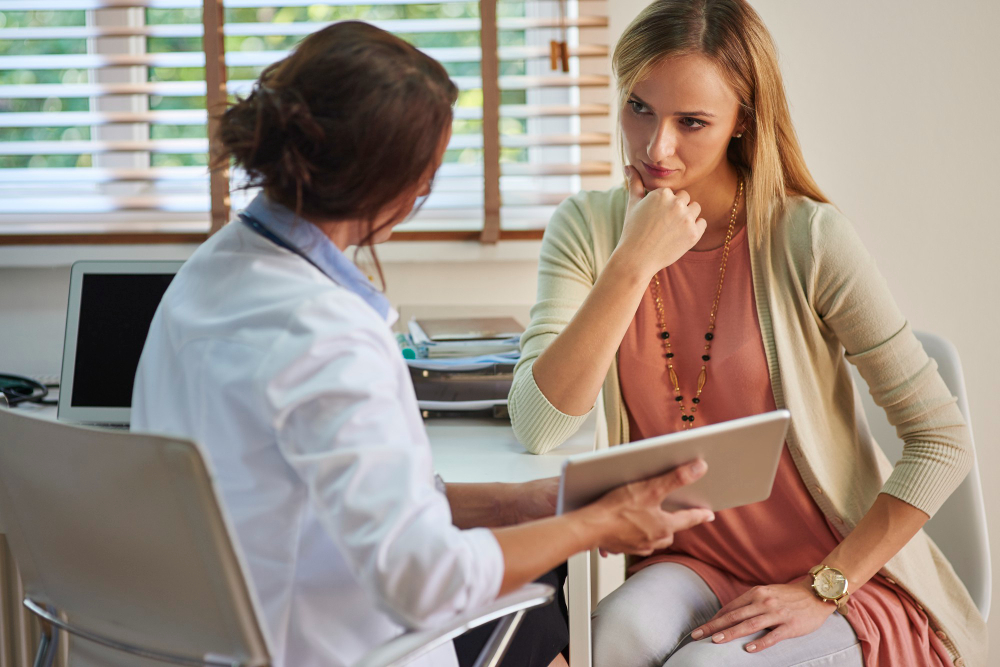
What Is Daily Anxiety in Women?
Many women feel anxious at times. However, daily anxiety can make life harder. It may affect work, family, and health. In fact, therapy for women’s anxiety can help manage these feelings. Daily anxiety means feeling worried or tense most days. Often, these feelings do not go away on their own. For some women, anxiety is linked to changes in hormones or life events. Understanding daily anxiety is the first step toward better mental health support for women.
Common Symptoms and Causes
Women may notice different signs of daily anxiety. For example, they might feel restless or have trouble sleeping. Sometimes, anxiety causes headaches or stomachaches. Other common symptoms include:
There are many causes of anxiety in women. Hormonal changes, such as those during pregnancy or menopause, can play a role. Stress from work, family, or health issues may also lead to anxiety. In addition, a family history of anxiety can increase risk. Sometimes, past trauma or ongoing stress makes anxiety worse. According to the World Health Organization (WHO), women are more likely to experience anxiety than men.
How Therapy Supports Women with Anxiety
Therapy offers a safe space to talk about worries. It helps women understand their feelings and learn new ways to cope. For instance, a therapist can teach skills to manage stress. Therapy for women’s anxiety often includes setting small goals. Over time, these steps can make daily life feel easier. Moreover, therapy gives women tools to handle tough situations. With support, many women find their anxiety becomes less overwhelming.
Types of Therapy for Managing Anxiety
There are several types of therapy that help with managing daily anxiety in women. Each type offers unique benefits. Some common therapies include:
Each therapy type can be tailored to a woman’s needs. A mental health professional can help choose the best option.
Benefits of Therapy in Daily Life
Therapy can improve many parts of daily life. For example, women often sleep better and feel more relaxed. They may notice stronger relationships with family and friends. Other benefits include:
With ongoing support, women can manage anxiety more easily. As a result, they may enjoy life more fully.
Tips for Seeking Professional Help
Finding the right mental health support for women is important. Here are some tips for getting started:
Remember, seeking help is a sign of strength. Early support can make a big difference.
Prevention and Lifestyle Guidance
While therapy is helpful, daily habits also matter. Women can take steps to lower anxiety. For instance, regular exercise and healthy eating support mental health. Other helpful tips include:
Although these steps may seem small, they add up over time. Together with therapy, they help women feel more in control of their anxiety.
Consult a qualified health professional at Rejoice Multispecialty Clinic for personalized advice on managing daily anxiety.