
Introduction
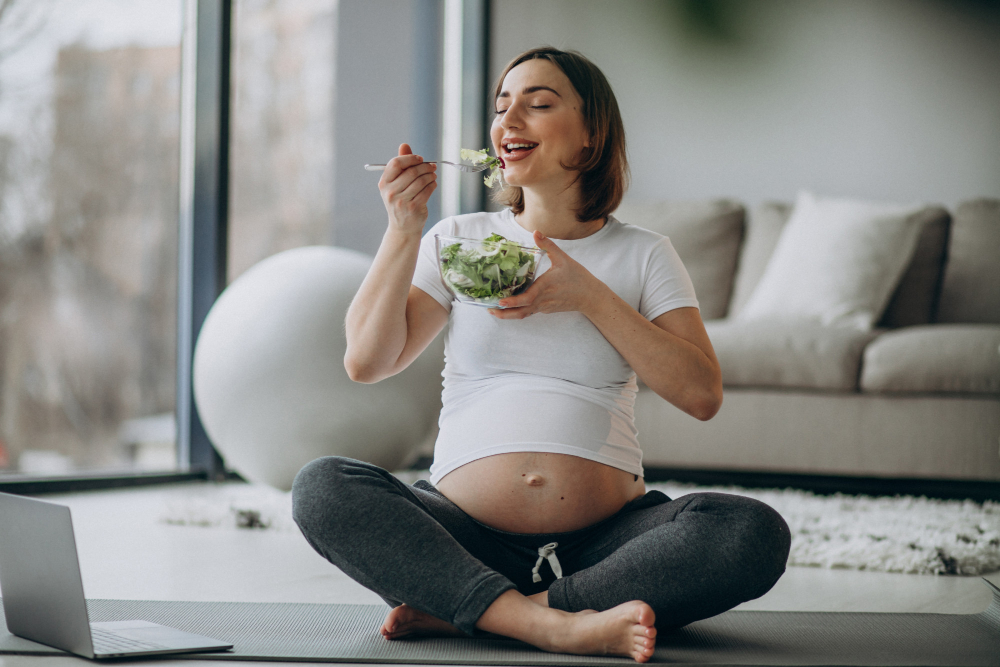
Nutrition and mood in pregnancy are closely linked. What you eat can affect how you feel, both physically and emotionally. During pregnancy, your body and mind go through many changes. Because of this, understanding the link between nutrition and mood during pregnancy is important. Eating the right foods can help support your mental health. In fact, a healthy diet may lower the risk of mood swings, anxiety, and depression. Let’s explore how your diet can shape your mind during this special time.
The Connection Between Nutrition and Mood in Pregnancy
Many studies show that what you eat can affect your mood. During pregnancy, your body needs more nutrients. These nutrients help your baby grow. But they also support your brain and mood. For example, low levels of certain vitamins can lead to feeling sad or tired. On the other hand, eating a balanced diet can help you feel more positive and calm. According to the World Health Organization (WHO), good nutrition is key for both mother and baby. So, paying attention to your diet can make a big difference in how you feel each day.
Key Nutrients That Influence Mental Health During Pregnancy
Some nutrients are especially important for your mood during pregnancy. Here are a few to focus on:
Because your needs change during pregnancy, talk to your doctor about the right amounts for you.
Common Dietary Patterns and Their Impact on Mood
Different eating habits can affect your mood in pregnancy. For instance, eating lots of processed foods, sugar, or junk food can lead to mood swings. On the other hand, a diet rich in fruits, vegetables, whole grains, and lean proteins can boost your mood. Research shows that women who eat a Mediterranean-style diet often feel better emotionally. This diet includes olive oil, nuts, fish, and lots of fresh produce. So, making small changes to your daily meals can help you feel more balanced and happy.
Practical Nutrition Tips for a Healthier Mind in Pregnancy
It’s not always easy to eat well during pregnancy, but small steps can help. Here are some tips:
Remember, even small changes can make a big difference over time.
Warning Signs: When to Seek Professional Help
Sometimes, changes in mood during pregnancy can be more serious. If you notice any of these warning signs, it’s important to get help:
If you have any of these symptoms, talk to your doctor right away. Early help can make a big difference for you and your baby.
Prevention and Lifestyle Guidance
Taking care of your mind and body during pregnancy is important. Here are some ways to help prevent mood problems:
Because every pregnancy is different, always check with your healthcare provider before making big changes.
Conclusion
In summary, what you eat during pregnancy can have a significant impact on your mood and mental health. Choosing the right foods and nutrients can help you feel your best and support both your emotional and physical well-being.
At Rejoice Multispeciality Clinic, we offer personalised nutrition and mental health advice tailored to your pregnancy needs. Our specialists can guide you to make the best food choices for a healthy, balanced pregnancy.
For personalised nutrition and mental health guidance during pregnancy, consult Rejoice Multispecialty Clinic.